
Jury Selection in a Criminal Case: A Complete Guide for Defense Attorneys
Jury selection in a criminal case is one of the most consequential phases of any trial. Before opening statements are made and closing arguments frame the narrative, the composition of the panel is already shaping the outcome. For any defense counsel, building the right panel isn't just a procedural step — it's a strategic imperative.
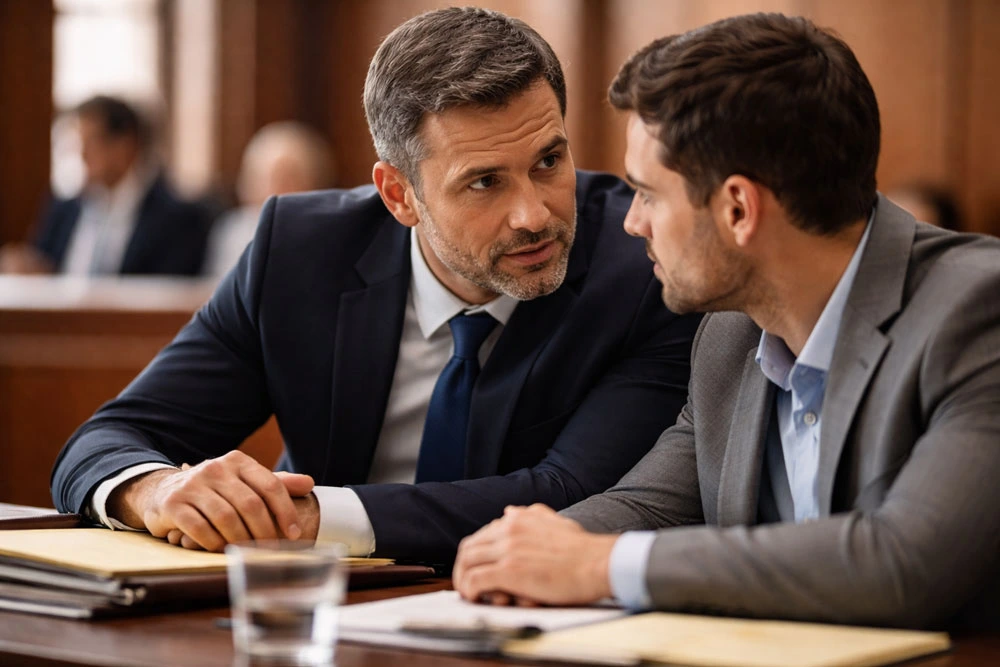
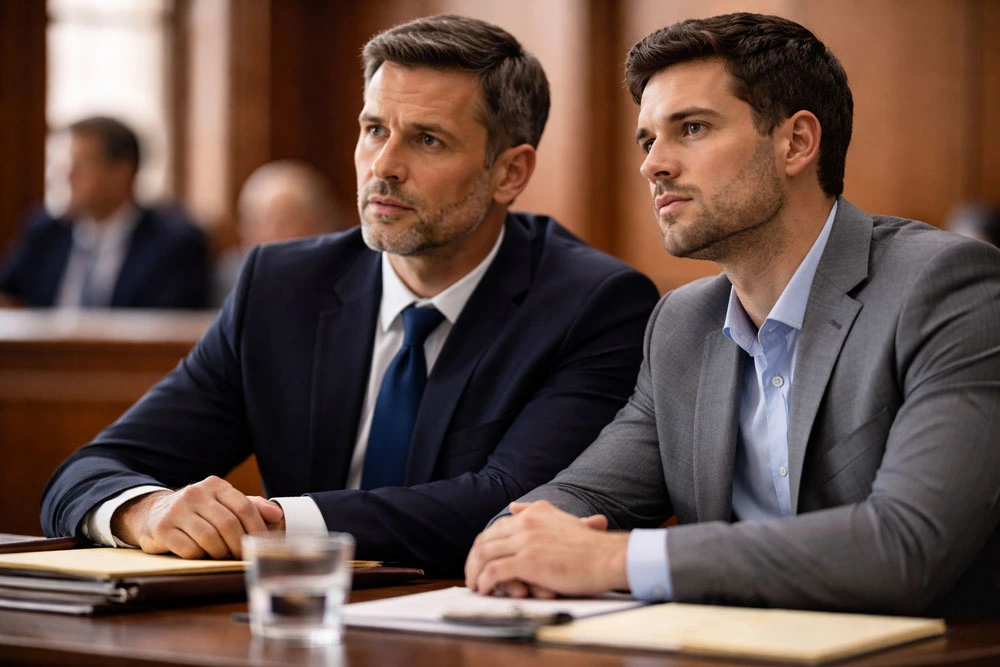
Why the Selection Process Matters More in Criminal Cases
Unlike a civil case, a criminal trial carries the potential for an accused person to lose their liberty. The Sixth Amendment to the U.S. Constitution guarantees everyone the right to trial by a fair and impartial jury. That guarantee is only as meaningful as the care taken in selecting the jury.
In a jury trial, the state must prove beyond reasonable doubt that the defendant is guilty. That burden means the hidden biases of each juror directly determine whether the prosecution or defense prevails. A juror who believes the defendant committed the crime before deliberation begins can taint the entire panel. One who holds rigid views about what it means that the defendant did not testify will interpret silence as evidence. These biases don't always surface during voir dire.
Jurors who cannot apply the presumption of innocence often pass through voir dire undetected
A juror who carries deep-seated assumptions about guilt — or who instinctively defers to authority — won't announce this in open court. But their presence on the panel can override every argument your defense makes.
Attitudes toward law enforcement and government authority are deeply held — and rarely volunteered
In criminal cases, a juror's trust in police testimony versus defense witnesses may be the single most determinative factor in the verdict. These attitudes are formed over decades — and a few voir dire questions won't surface them.
The defense has limited time, limited strikes, and strangers to evaluate before the panel is locked in
You're making high-stakes decisions about people you've never met, in a compressed window, with no structured framework for tracking what you observe across dozens of prospective jurors. That's the gap PeerProbe closes.
Defense attorneys must work harder than opposing counsel to identify jurors who will weigh the evidence fairly. Without hard data, attorneys are still operating largely on instinct.
How PeerProbe Improves Criminal Defense Outcomes
PeerProbe is built for the criminal defense attorney who needs more than instinct. Our platform researches every prospective juror on your list of potential jurors — surfacing behavioral patterns, social media history, and public records that reveal how each juror is likely to think, not just what they say when attorneys ask potential jurors questions.
With PeerProbe, the criminal defense lawyer walks into voir dire with a data-backed view of every person on the venire — identifying jurors whose history suggests bias, building stronger challenges for cause with documented evidence, and deploying peremptory strikes with precision on the jurors who pose the greatest threat.
The best jury for your case isn't chosen by luck. It is built through preparation — and that preparation starts with PeerProbe.

Identify Jurors Who Will Hold the State to Its Burden
The goal isn't finding jurors who favor your client — it's finding jurors who will hold the prosecution to its burden of proof. PeerProbe surfaces behavioral indicators and public records that reveal which prospective jurors are genuinely willing to evaluate the evidence fairly and require the state to prove its case beyond reasonable doubt.
Spot Authoritarian Thinking Before It Reaches the Jury Box
Conviction-prone jurors don't advertise themselves. PeerProbe evaluates indicators of authoritarian thinking and deference to law enforcement authority — patterns that predict a tendency to convict on limited evidence and give police testimony unwarranted weight. Identify these jurors before voir dire closes.
Expose Bias Before the Window to Strike Closes
The opportunity to remove a juror ends the moment the panel is seated. PeerProbe gives your legal team documented insight on every prospective juror in the venire before questioning begins — so you find bias early, build stronger challenges for cause, and deploy your peremptory strikes where they matter most.
Distinguish Jurors Who Reason From Evidence Versus Emotion
Some jurors will be persuaded by the weight of evidence. Others will be moved by how a case feels. PeerProbe's analysis helps defense counsel identify which jurors are likely to reason analytically and which are susceptible to emotional appeals from the prosecution — so you can shape your voir dire strategy accordingly.
Build a Panel That Genuinely Weighs the Evidence
The right jury isn't a favorable jury — it's a fair one. PeerProbe helps criminal defense lawyers assemble a panel genuinely willing to engage with the jury instructions, weigh the evidence presented, and give every argument a fair hearing. That's what the Sixth Amendment promises your client.
How PeerProbe Supports the Jury Selection Process — Step by Step
Profile Every Juror the Moment Your Panel List Arrives
When the venire is assembled and the jury panel list becomes available, open PeerProbe and snap a photo of it. The app reads every name instantly — no typing, no delays. Within minutes, every prospective juror has a complete background report: social media activity, public records, behavioral signals, and demographic context. Your legal team knows exactly who is in the room before voir dire begins.
Use Real-Time Scoring to Direct Your Voir Dire
As judges and lawyers question potential jurors, PeerProbe's risk scoring guides where to probe deeper. Ask questions targeted at the risk signals in each juror's profile — attitudes toward law enforcement, prior experiences with the justice system, and whether they can apply the presumption of innocence. Identify jurors who cannot be fair before your window to strike them closes.
Exercise Challenges With Precision and Enter Trial Ready
Once you have PeerProbe's intelligence, your challenges for cause are supported by documented evidence and your peremptory strikes are deployed on the jurors who pose the greatest risk. The panel you seat reflects a deliberate, data-backed strategy — and you walk into opening statements knowing exactly who is listening.
Common Questions About the Process of Jury Selection
Build a Better Defense With the Right Panel
The outcome of a criminal trial often turns on decisions made before the first witness is called. No commitment required. See what PeerProbe can do for your next trial.